How Often Should You Really Water Your Plants?
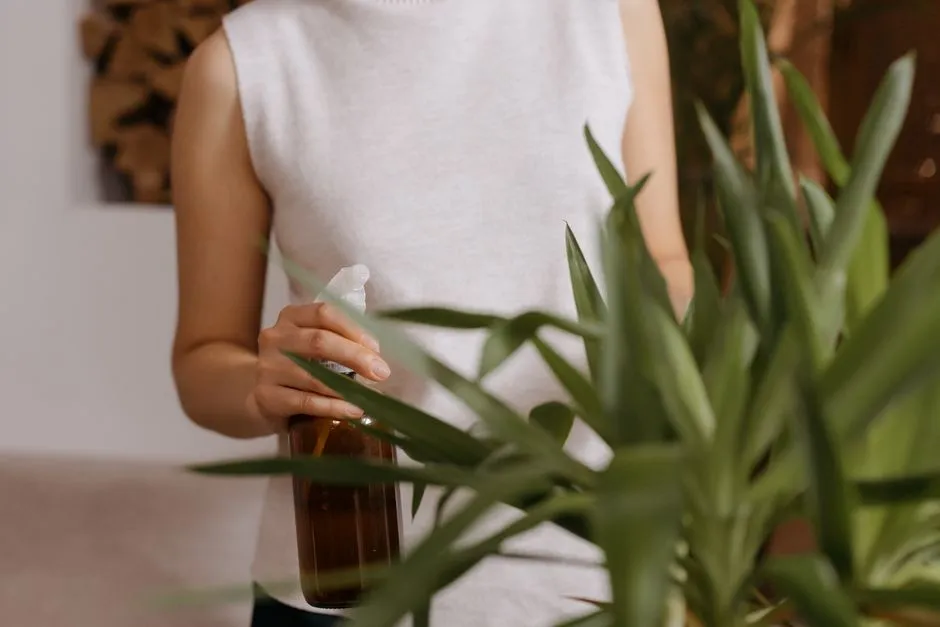
Here is the single most useful thing you can learn about houseplants: "once a week" is not a watering schedule — it's a coin flip. The same plant needs water twice as often in a warm, bright July as it does in a dim, cool January. Watering by the calendar is the number-one reason indoor plants die, and they almost always die the same way — from too much water, not too little.
The good news: you can throw away the schedule and replace it with a few simple checks that take seconds.
Why overwatering is the real killer
Roots need air as much as they need water. When soil stays soggy, the air pockets fill with water and the roots effectively suffocate, then rot. The cruel part is that an overwatered plant and an underwatered plant look almost identical — both droop and yellow — so a worried owner sees drooping and adds more water, sealing the plant's fate. Telling "thirsty" from "drowning" is most of houseplant care.
The finger test
For most plants, the rule is simple: water when the top inch or two of soil is dry. Push a finger into the soil up to the second knuckle. If it comes out with soil clinging to it and feels cool and damp, wait. If it comes out clean and dry, it's time to water.
This one habit will save more plants than any gadget. Moisture meters exist, but your finger is free, always with you, and reads the root zone better than a cheap probe.
Not every plant wants the same thing. Succulents and cacti want to dry out completely. Ferns and calatheas like to stay lightly moist. Most popular plants — pothos, monstera, snake plants, ZZ — are happiest with a proper dry-down between waterings. When in doubt, err on the side of too dry.
The weight test
For larger pots where a finger won't reach the roots, use weight. Lift the pot right after a thorough watering and remember how heavy it feels. A few days later, lift it again. A pot that's dried out is dramatically lighter. Once you've done this a few times, you'll know a plant needs water just by tipping the pot.
How to water, not just when
When you do water, water thoroughly. Add water slowly until it runs freely out of the drainage holes, then stop. This soaks the entire root ball and flushes out built-up mineral salts. Little daily splashes are worse than a proper soak every week or two — they wet only the top layer and leave the deeper roots parched.
- Always tip out the saucer a few minutes after watering. A pot left standing in water is an overwatered plant on a delay.
- Room-temperature water is kinder than icy-cold from the tap.
The thing that matters more than frequency
You can water perfectly and still lose a plant if it's sitting in a pot with no way for water to escape. Drainage holes are non-negotiable for the vast majority of houseplants — the single most important factor, more than frequency, is covered in our guide to drainage, pots, and the rocks myth. If you love a decorative pot without holes, use it as a "cachepot": keep the plant in a plain plastic nursery pot with holes, and slip that inside the pretty one, removing it to water. Get drainage right and watering becomes forgiving; get it wrong and no schedule can save you.