Houseplants Safe for Cats and Dogs (And the Ones That Aren't)
- Start Here: "Pet-Safe" Is a Narrower Promise Than It Sounds
- How Plants Actually Harm Pets
- Houseplants That Are Safe for Cats and Dogs
- The Popular Plants That Are Not Safe
- Why Lists Sometimes Disagree
- The Two You Must Take Seriously
- Living With Toxic Plants You Don't Want to Give Up
- If Your Pet Eats a Plant
- The One-Line Takeaway
Start Here: "Pet-Safe" Is a Narrower Promise Than It Sounds
The hard truth is that a lot of the most popular houseplants — the pothos trailing off your shelf, the snake plant in the corner, the monstera everyone photographs — are toxic to cats and dogs if chewed. That doesn't make them villains, and it doesn't mean you have to rehome your collection. But it does mean the honest version of this guide has two halves: the plants you can grow without worrying, and the ones that call for a shelf your cat can't reach.
Before the lists, one distinction that saves a lot of confusion. "Non-toxic," as veterinarians and the ASPCA use the term, means a plant won't poison your pet — it won't damage organs or trigger a dangerous reaction. It does not mean the plant is food. Any animal that eats a large amount of any plant can vomit or get an upset stomach, simply because leaves aren't part of a cat or dog's diet. So "safe" here means "won't harm them if they nibble," not "let them graze."
With that framing, the rest is manageable.
How Plants Actually Harm Pets
Most houseplant toxicity falls into a few mechanisms, and understanding them tells you how worried to be.
- Insoluble calcium oxalate crystals. This is the big one — it's what makes pothos, philodendron, monstera, peace lily, dieffenbachia, and ZZ plants toxic. The leaves contain microscopic needle-like crystals (raphides) that jab the mouth and throat on contact. The result is immediate pain, drooling, pawing at the mouth, and sometimes swelling. It's genuinely unpleasant, which is exactly why most pets spit the leaf out after one bite and don't come back for more. Serious cases are uncommon, but swelling of the throat is the reason to take it seriously.
- Saponins. These are the irritants in snake plants and aloe. They mostly cause gastrointestinal upset — vomiting, drooling, diarrhea. Usually mild to moderate.
- The genuinely dangerous exceptions. A small number of plants can cause organ failure, not just discomfort. Sago palm and true lilies are the two you cannot treat casually, and they get their own section below.
The practical takeaway: for the common oxalate and saponin plants, the danger is real but usually mild, and the plant's own bitterness is your first line of defense. For the dangerous exceptions, the plant tastes fine and the damage is severe. Those are the ones to keep out of the house or genuinely out of reach.
Houseplants That Are Safe for Cats and Dogs
These are widely recognized as non-toxic to cats and dogs. It's a longer and prettier list than most people expect — you can build an entirely worry-free collection from it, and many of these also happen to be forgiving, low-maintenance plants.
| Plant | Also sold as / notes | Light |
|---|---|---|
| Spider plant | Chlorophytum comosum | Bright indirect; very forgiving |
| Boston fern | Nephrolepis exaltata | Bright indirect, likes humidity |
| Bird's nest fern | Asplenium nidus | Medium to low indirect |
| Parlor palm | Chamaedorea elegans | Low to medium indirect |
| Areca palm | Dypsis lutescens | Bright indirect |
| Ponytail palm | Beaucarnea recurvata (a succulent, not a true palm) | Bright light |
| Calathea / prayer plant | Calathea, Goeppertia, Maranta | Medium indirect; fussy about humidity |
| Peperomia | Many species (P. obtusifolia, watermelon peperomia) | Medium to bright indirect |
| Chinese money plant | Pilea peperomioides | Bright indirect |
| Hoya | Hoya carnosa, wax plant | Bright indirect |
| African violet | Saintpaulia | Bright indirect |
| Moth orchid | Phalaenopsis | Bright indirect |
| Bromeliads | Guzmania and relatives | Bright indirect |
| Haworthia | Zebra "cactus" (a safe aloe look-alike) | Bright light |
| Christmas cactus | Schlumbergera | Bright indirect |
| Cast iron plant | Aspidistra elatior | Low to medium |
| Nerve plant | Fittonia | Medium indirect, high humidity |
| Money tree | Pachira aquatica | Bright indirect |
A few of these deserve a note.
Spider plants are non-toxic, but they're also strangely magnetic to cats, who love to bat and chew the dangling foliage. That's fine — they won't be poisoned — though a determined cat can shred a plant, and eating a lot of any greenery can trigger vomiting. Hang it high if your cat treats it as a toy.
True palms are safe; one famous "palm" is not. Parlor, areca, and ponytail palms are all non-toxic. The sago palm is not a palm at all and is dangerous — more on that below. When in doubt, check the botanical name, not the common one.
Haworthia is the pet-safe answer to aloe. If you want that spiky-succulent look, haworthia (the little zebra-striped rosettes) gives it without aloe's toxicity.
Several of these — the parlor palm, cast iron plant, and bird's nest fern in particular — also tolerate dim rooms, so a pet-safe collection and a collection built for low-light corners overlap more than you'd think.
The Popular Plants That Are Not Safe
Here's the other half of the honest answer. These are all commonly kept houseplants that are toxic to cats and dogs. For the great majority, the reaction is oral irritation or stomach upset rather than anything life-threatening — but "usually mild" is a poor bet to make with your own animal, so treat this as a keep-out-of-reach list.
| Plant | Toxic component | Typical reaction |
|---|---|---|
| Snake plant (Dracaena / Sansevieria trifasciata) | Saponins | Drooling, vomiting, diarrhea |
| Pothos (Epipremnum aureum) | Insoluble calcium oxalates | Oral pain, drooling, vomiting |
| Philodendron (heartleaf and others) | Insoluble calcium oxalates | Oral pain, drooling, vomiting |
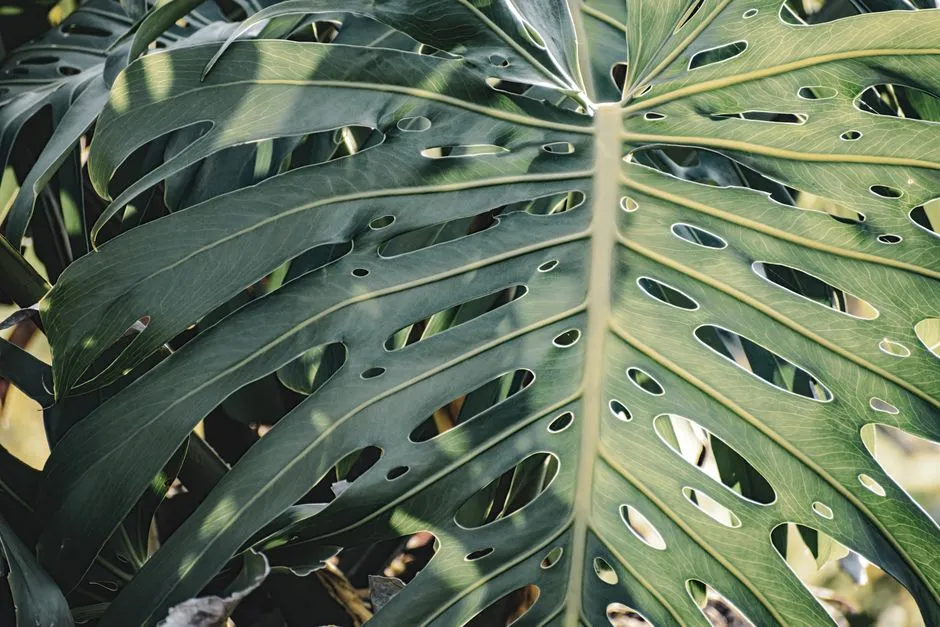
| Monstera deliciosa | Insoluble calcium oxalates | Oral pain, drooling, vomiting |
| ZZ plant (Zamioculcas zamiifolia) | Insoluble calcium oxalates | Oral irritation, GI upset |
| Peace lily (Spathiphyllum) — not a true lily | Insoluble calcium oxalates | Oral pain, drooling |
| Dieffenbachia (dumb cane) | Insoluble calcium oxalates | Intense oral pain, swelling |
| Aloe vera | Saponins, anthraquinones | Vomiting, lethargy, diarrhea |
| Jade plant (Crassula ovata) | Not fully identified | Vomiting, lethargy |
| Rubber plant, fiddle leaf fig (Ficus) | Sap irritants | Mouth/skin irritation, GI upset |
| Dracaena (corn plant and relatives) | Saponins | Vomiting, drooling, sometimes dilated pupils in cats |
| English ivy (Hedera helix) | Saponins | GI upset, drooling |
| Asparagus fern — not a true fern | Sapogenins | GI upset; skin irritation from berries |
Two of the internet's favorite plants are on this list, and both are worth keeping if you can place them thoughtfully. The snake plant, for all its tough-as-nails charm, contains saponins and reliably upsets a pet that chews it. And the near-unkillable pothos that so many first-time plant owners start with carries the same calcium-oxalate crystals as its philodendron cousins. Neither is usually a medical emergency, but both belong up high in a home with a chewer.
A note on the word "lily." The peace lily and the calla lily are not true lilies. They cause the oral irritation described above — painful but rarely dangerous. True lilies are a completely different and far more serious matter, which is the next section.
Why Lists Sometimes Disagree
If you cross-check two pet-safety lists, you'll occasionally find a plant on both. That's worth understanding rather than ignoring. Toxicity data for pets comes largely from veterinary case reports and the collective experience of poison-control centers, not from controlled studies — so some plants are simply better documented than others. Jade plant is a good example: it's agreed to be toxic, but its exact toxic compound still isn't fully identified.
A few honest caveats follow from that:
- "Non-toxic" is not "eat freely." Even safe-listed plants can cause vomiting if a pet eats a big helping, because greenery isn't part of their diet.
- Reactions vary by animal, amount, and individual sensitivity. A nibble that one dog ignores can upset another.
- Common names are unreliable. Sago "palm," asparagus "fern," and peace "lily" are all named after plants they aren't. Always confirm the botanical name before trusting a rating.
Treat any list, including this one, as a starting point. For a specific plant, the ASPCA's searchable toxic-and-non-toxic plant database is the most reliable free reference, and your vet is the final word.
The Two You Must Take Seriously
Most toxic houseplants cause a bad afternoon. These two can cause organ failure, and they don't announce themselves with a bitter first bite. If you take nothing else from this guide, take these.
Sago palm
The sago palm (Cycas revoluta) is not a true palm — it's a cycad, an ancient group of plants — and it is one of the most dangerous plants you can bring indoors around pets. Every part is toxic, the seeds most of all, and ingestion can lead to liver failure. Dogs are especially prone to chewing it. This is not a "watch and wait" plant: if a pet eats any part of a sago palm, it is an emergency, and you should contact a veterinarian immediately. The safest move in a pet household is simply not to keep one.
True lilies (and cats)
True lilies — plants in the genus Lilium, such as Easter lilies and Asiatic lilies — along with daylilies (Hemerocallis) are extraordinarily toxic to cats. Ingesting even a small amount — a couple of leaves, a petal, pollen groomed off the fur, or water from the vase — can cause acute kidney failure. These are cut-flower and garden plants more than houseplants, but they come into homes constantly as bouquets, so cat owners need to know. If a cat has any exposure to a true lily, treat it as an emergency and call a vet or poison hotline right away; prompt treatment makes an enormous difference. (For dogs, true lilies are far less dangerous — usually just stomach upset — but the cat risk is severe enough to keep them out of a cat's home entirely.)
Living With Toxic Plants You Don't Want to Give Up
You don't have to choose between plants and pets. Most households run a mix, and a few habits make it work:
- Use height and rooms your pet can't reach. High shelves, hanging planters, and a plant room with the door closed all work. Cats climb, so "high" has to mean genuinely inaccessible, not just tall.
- Lean on the bitterness. For the common oxalate and saponin plants, the plant's own unpleasant taste does most of the work. A single deterred nibble is the usual story.
- Give your pet its own greenery. A pot of cat grass or an out-of-the-way spider plant can redirect a chewer that's after something to gnaw.
- Watch the vulnerable stages. Kittens, puppies, and bored indoor cats are the most likely to chew. A plant that's ignored for years can suddenly become interesting when a new kitten arrives.
- Reserve the dangerous ones for a pet-free home. Sago palms and true lilies aren't worth managing around animals. This is the one place to simply say no.
Be honest with yourself about your specific animal. Some cats never touch a leaf their whole lives; others treat every upright stem as a personal challenge. Place your plants for the pet you actually have.
If Your Pet Eats a Plant
Even in a careful home, a leaf goes missing sometimes. Here's the calm, correct response.
- Don't panic, but don't dismiss it either. Move the plant out of reach and see roughly how much is gone.
- Identify the plant. Find the botanical name if you can — a plant tag, a purchase receipt, or a clear photo helps enormously. The right treatment depends entirely on which plant.
- Do not induce vomiting on your own. Making a pet vomit can do more harm than good with some toxins, and it's the wrong move for the oral-irritant plants. Let a professional make that call.
- Call for guidance right away. Contact your veterinarian, an emergency vet, or an animal poison control hotline. In North America, the ASPCA Animal Poison Control Center (888-426-4435) and the Pet Poison Helpline both operate 24/7; be aware a consultation fee may apply.
- Act immediately for the dangerous ones. If the plant was a sago palm, or a true lily and the pet is a cat, skip the wait-and-see entirely and go straight to emergency care. Time matters most with these.
Watch for drooling, pawing at the mouth, vomiting, loss of appetite, or lethargy — and describe what you see when you call.
The One-Line Takeaway
Build your collection from the safe list, keep the common toxic favorites like snake plants and pothos genuinely out of reach, and never keep a sago palm or a true lily in a home with pets.
None of this requires giving up a green home. It just requires knowing which shelf each plant belongs on — and which two plants don't belong at all.