How to Clean Houseplant Leaves Without Damage
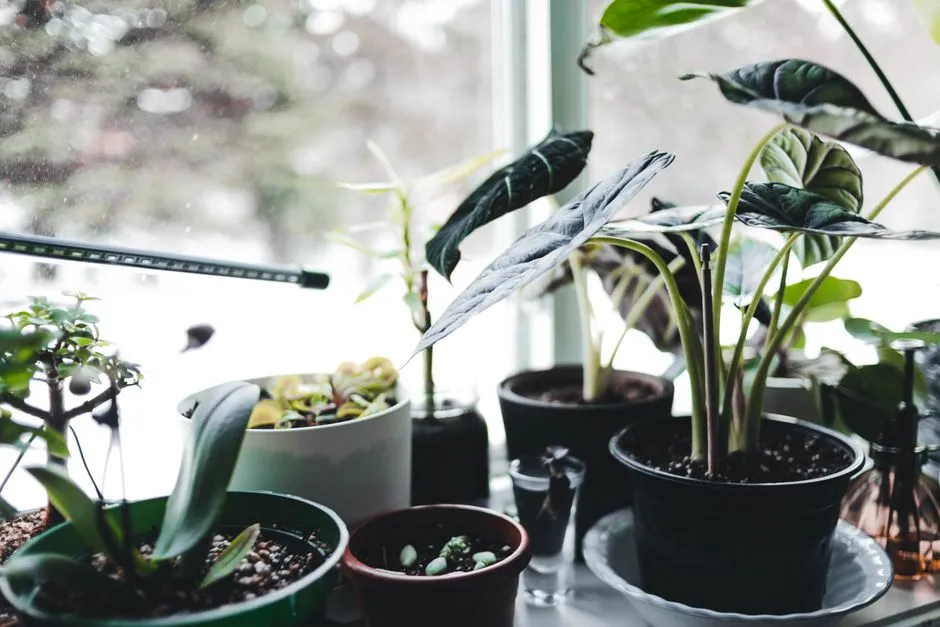
- How should you clean houseplant leaves?
- Start by identifying the plant and the material on it
- Gather simple, clean equipment
- Clean broad, smooth leaves one at a time
- Rinse small, sturdy foliage gently
- Use a dry brush on hairy leaves
- Handle thin and delicate foliage with less force
- Sticky or marked leaves may indicate pests
- Skip milk, oil and routine leaf-shine products
- Choose water with the leaf and deposit in mind
- Return the plant to its place carefully
- A leaf-cleaning checklist
- Sources
How should you clean houseplant leaves?
Identify the plant and its leaf type before adding water. For broad, smooth leaves, support each leaf and wipe both sides with a soft cloth dampened with plain, room-temperature water. Rinse small, sturdy plants gently in a sink or shower. Use a soft dry brush on hairy leaves instead of washing them. Isolate pest-affected plants, use a separate cloth, and identify the pest before applying any labelled treatment.
Leaf cleaning should remove dust without adding abrasion, cold-water spots, trapped water or an unsuitable product. The right method depends more on the leaf surface than on how shiny you want it to look.
Start by identifying the plant and the material on it
Keep the nursery label or confirm the scientific name through a university extension service, botanical garden or established horticultural reference. Species guidance matters because a firm rubber-plant leaf, a thin fern frond and a hairy African-violet leaf do not handle wiping and water in the same way.
Then decide what you are looking at:
- loose grey dust that lifts onto a clean cloth;
- hard-water spots left by dried droplets;
- sticky residue on the upper leaf surface or shelf;
- fine webbing, white wax, firm bumps or dark specks;
- a powdery or fuzzy growth that may be disease rather than dirt;
- natural wax, hairs, scales or markings that belong to the plant.
Check the plant's pet-toxicity status too. Cleaning moves leaves and runoff within reach and may dislodge pieces. Verify the exact scientific name against the ASPCA plant list, keep toxic material inaccessible and wear gloves if the plant guidance calls for them.
Gather simple, clean equipment
For most plants, you need:
- plain water at room temperature;
- two or more soft, clean cloths;
- a small, soft, dry brush for hairy or intricate foliage;
- a clean tray or towel for drips;
- a magnifying lens if you suspect pests;
- gloves where required by the species or product label.
Start with clean materials. University of Minnesota Extension advises using a new clean cloth when moving from a pest-affected plant to another plant. A practical collection routine is to clean apparently healthy plants first and any suspect plant last. Do not return a used cloth to the clean-water container.
If you use scissors to remove a dead leaf, clean away debris and disinfect the tool according to a suitable product label before moving to another plant. Keep disinfectants away from children and pets, provide the stated ventilation and protective equipment, and never mix chemical products.
Clean broad, smooth leaves one at a time
Large, firm leaves are the easiest to wipe. University of Minnesota Extension recommends a soft, damp cloth and says to wipe both the top and bottom of the leaf.
Use this sequence:
- Move the plant to a stable, well-lit work surface and support the pot.
- Dampen the cloth with room-temperature water and wring it out so it does not drip.
- Support one leaf from below with an open hand.
- Wipe gently from the leaf base toward the tip without pulling on the petiole or stem.
- Turn or lift the leaf and clean the underside with a clean part of the cloth.
- Change cloth sections as they collect dust, and change the cloth completely if you find a suspected pest.
Avoid wiping a newly unfurling leaf. It is softer than a mature leaf and can be left until it has opened and firmed. If the species has naturally powdery, waxy or textured foliage, follow its specific care guidance rather than trying to make the surface uniformly glossy.
Rinse small, sturdy foliage gently
Minnesota Extension lists spraying a small plant in a sink and a larger one in a shower as ways to wash leaves. This suits plants with sturdy, washable foliage, not every houseplant.
Before rinsing, check that the pot has a working drainage hole and that the species tolerates water on its leaves. Remove the decorative outer pot, stabilise the root ball and use room-temperature water at gentle pressure. Direct the water across leaf surfaces rather than forcing it into soft crowns, flowers or tightly folded new growth.
Let the pot drain fully and empty the tray before it returns to display. Do not treat a foliage rinse as the plant's scheduled watering unless the root zone also needed water. If the potting mix is already wet, a damp cloth may be the more controlled cleaning method.
Use a dry brush on hairy leaves
University of Illinois Extension says washing with water or using leaf polish is not recommended for pubescent, or hairy, leaves. RHS horticultural guidance for a hairy-leaved Streptocarpus gives a small paintbrush as an appropriate way to remove dust.
Use a clean, very soft, dry artist's brush. Support the leaf without flattening its hairs, then move dust gently in the direction of the leaf surface. Brush it onto a tray rather than into the pot. Stop if the leaf bends, marks or sheds surface material.
Do not substitute a wet wipe because the brush seems slow. Hairy foliage can hold water against the surface, and species-specific guidance may require keeping leaves dry. If a spill or pest affects the plant, consult advice for that exact species instead of soaking it.
Handle thin and delicate foliage with less force
Fine fronds, papery leaves and soft new growth can tear under the method used for a rubber plant. Start with a soft brush or a barely damp cloth on one mature leaf. Support the leaf or frond and use almost no pressure. If it flexes sharply, stop.
A gentle rinse may suit some delicate-looking plants, but confirm that in the species guidance. Use low water pressure and protect the crown, flowers and growing points as directed. Do not shake a dripping plant or swing the pot by its rim; set it down on a stable draining surface.
Sticky or marked leaves may indicate pests
Sticky material is not automatically household grime. Minnesota Extension identifies honeydew as a shiny, sticky substance produced by aphids, mealybugs and scale insects. It also recommends inspecting leaf tops and undersides for insects, webbing, holes and eggs.
If you find webbing, cottony clusters, firm bumps, insects or recurring stickiness:
- Move the plant away from the collection.
- Put the used cloth aside and do not use it on another plant.
- Inspect leaf undersides, stems, joints, pot rims and the soil surface.
- Photograph the signs and identify the pest through a university extension source or plant clinic.
- Use the management method recommended for that pest and plant.
See our guide to common houseplant pests for the next identification steps. Wiping can remove some insects, mites or honeydew, but it does not prove that an infestation is finished. Keep the plant isolated and continue the recommended checks.
If a pesticide becomes necessary, use only a product labelled for that pest, plant and indoor setting. Follow every instruction for dilution, ventilation, protective equipment, re-entry, children and pets. Minnesota Extension warns that homemade soap mixtures can burn plants. Do not turn dish soap, oil or a kitchen ingredient into an unlabelled leaf treatment.
Skip milk, oil and routine leaf-shine products
Minnesota Extension specifically advises never using leaf-shine products or milk. Illinois Extension says leaf polish should be used sparingly and only on firm foliage, while the RHS advises avoiding aerosols because they can cause pale leaf spots.
The simplest network rule is to skip shine products unless authoritative guidance for the exact plant and the product label both support their use. Gloss is not the measure of a clean or healthy leaf. Plain water and the appropriate physical method remove ordinary dust without adding a coating.
Do not use cooking oil, mayonnaise or other food products. They are not plant-care products with instructions for dose, compatible species or pet exposure. If plain water does not remove a deposit, identify the deposit before escalating.
Choose water with the leaf and deposit in mind
Room-temperature water is the general starting point in Illinois Extension's cleaning guidance. The RHS notes that cold-water splashes and hard tap water can leave spots or deposits on some houseplants.
If your tap water repeatedly leaves mineral marks, use rainwater or filtered water only where it is suitable and safely collected, or dry broad smooth leaves gently after wiping. Do not use softened water without checking the species' watering guidance.
Return the plant to its place carefully
Let runoff finish and wipe the outside and base of the pot. Empty the saucer or cachepot. Check that the display surface is dry, stable and large enough to support the whole pot.
Return the plant to the same species-appropriate light unless you have separately planned a gradual move. Our guide to how much light a plant needs covers that decision.
Confirm that leaves are not pressed against hot or cold glass, that the plant is away from electrical fittings while wet, and that toxic foliage remains inaccessible to pets and children. Wash the cloths, clean the tray and wash your hands after handling the plant.
A leaf-cleaning checklist
Before finishing, confirm:
- the plant and leaf type were identified;
- smooth leaves were supported rather than pulled;
- hairy leaves stayed dry and were brushed gently;
- delicate leaves were not forced or scrubbed;
- pest signs triggered isolation and a clean cloth;
- no unlabelled shine, soap, oil or aerosol was used;
- the pot drained and the display surface is dry;
- light, electrical and pet-safety checks still pass.
Sources
- University of Illinois Extension: Houseplant care
- University of Minnesota Extension: March garden checklist
- University of Minnesota Extension: Managing insects on indoor plants
- Royal Horticultural Society: Leaf damage on houseplants
- Royal Horticultural Society: Level 2 protected environments examiner guidance